
Manaslu Circuit Trek Altitude Sickness: Symptoms, Prevention & Safety Guide
27th Aug, 2026
Introduction
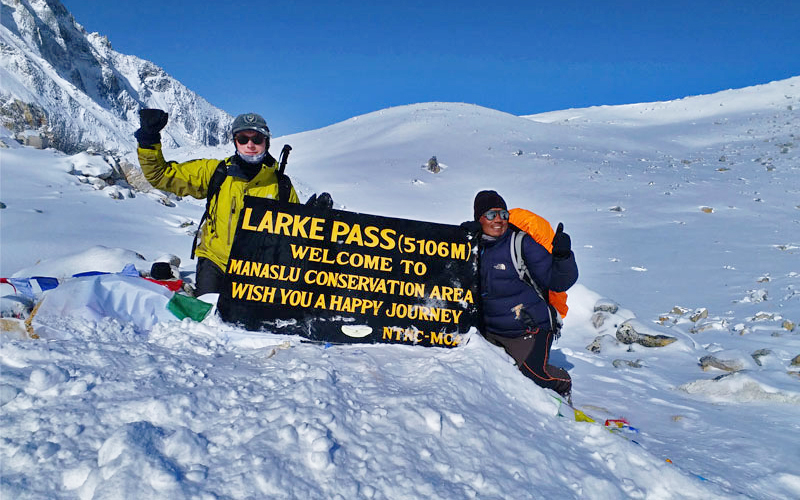
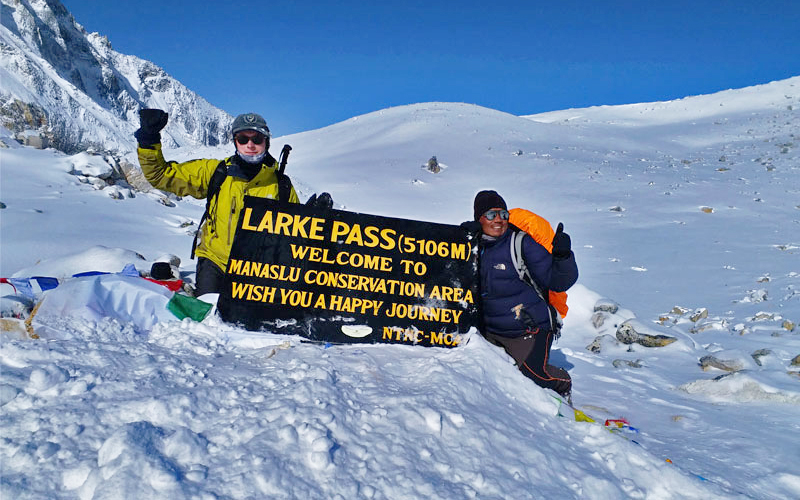
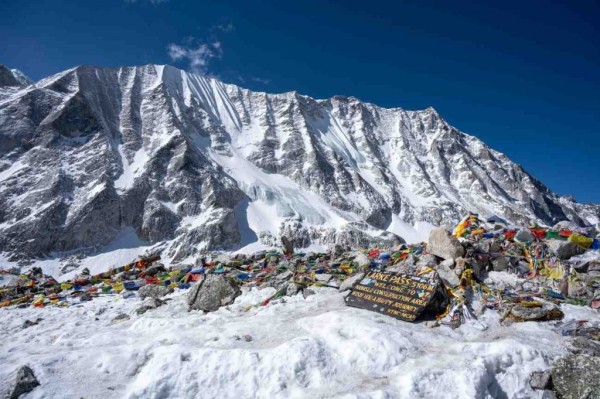
The Manaslu Circuit Trek is one of Nepal's most spectacular off-the-beaten-path adventures, circling the world's eighth-highest mountain through remote villages, dense forests, and high alpine terrain. But with the trail crossing the Larkya La Pass at 5,160 meters (16,930 feet), altitude sickness is a real and serious risk every trekker needs to understand before setting out.
Table of Contents
This guide covers everything you need to know — symptoms, causes, prevention strategies, and what to do if altitude sickness strikes — so you can enjoy the Manaslu region safely and confidently.
👉 Ready to plan your trek? See the full itinerary and details here: Manaslu Circuit Trek – Mountain Eco Treks & Expedition
Manaslu Circuit Trek Altitude Overview
| Stage | Elevation | Risk Level |
|---|---|---|
| Soti Khola (Start) | 700 m | Low |
| Machha Khola | 900 m | Low |
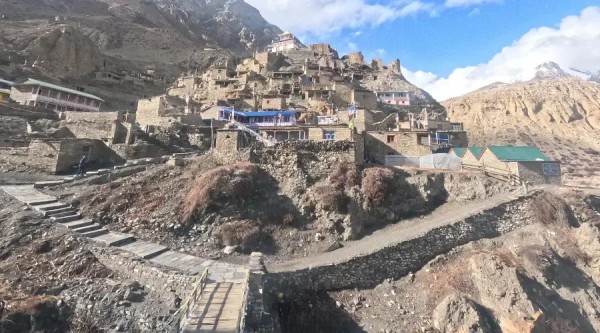
| Samagaon | 3,530 m | Moderate |
| Samdo | 3,860 m | Moderate–High |
| Dharamsala (Larke Phedi) | 4,460 m | High |
| Larkya La Pass (Highest Point) | 5,160 m | Very High |
| Bimthang (Descent) | 3,590 m | Moderate |
What Is Altitude Sickness?
Altitude sickness, medically known as Acute Mountain Sickness (AMS), occurs when the body doesn't get enough time to adjust to lower oxygen levels at high elevation. On the Manaslu Circuit, the risk increases sharply above 3,000 meters, and becomes most serious in the days approaching Larkya La Pass.
There are three recognized forms of altitude illness:
- Acute Mountain Sickness (AMS) — the mild-to-moderate and most common form
- High Altitude Pulmonary Edema (HAPE) — fluid buildup in the lungs (severe)
- High Altitude Cerebral Edema (HACE) — fluid buildup in the brain (life-threatening)
Symptoms of Altitude Sickness
Mild to Moderate Symptoms (AMS)
- Headache
- Dizziness or lightheadedness
- Fatigue and weakness
- Nausea or loss of appetite
- Difficulty sleeping
- Shortness of breath during exertion
Severe Symptoms (Seek Immediate Descent)
- Persistent, worsening headache unrelieved by medication
- Vomiting
- Confusion or loss of coordination (stumbling, slurred speech)
- Extreme shortness of breath, even at rest
- Gurgling or rattling sound in the chest
- Bluish lips or fingertips
- Loss of consciousness
⚠️ If severe symptoms appear, descend immediately and seek medical help — altitude sickness can become fatal within hours if ignored.
What Causes Altitude Sickness on the Manaslu Circuit?
- Ascending too quickly without adequate acclimatization days
- Insufficient hydration
- Physical overexertion at high elevation
- Alcohol or sedative use at altitude
- Pre-existing respiratory or cardiovascular conditions
- Individual physiology (altitude sickness can affect even very fit trekkers)
How to Prevent Altitude Sickness on the Manaslu Circuit
1. Follow a gradual itinerary — avoid rapid elevation gain and include rest days at Samagaon and Samdo
2. Practice "climb high, sleep low" — take short acclimatization hikes to a higher point during the day, then return to sleep at a lower elevation
3. Stay well hydrated — drink 3–4 liters of water daily
4. Avoid alcohol and sleeping pills at altitude, as they suppress breathing
5. Eat carbohydrate-rich meals to maintain energy levels
6. Walk at a slow, steady pace — avoid rushing between stops
7. Consider preventive medication such as Acetazolamide (Diamox), after consulting a doctor before your trip
8. Monitor yourself and your group for early symptoms and report them to your guide immediately
9. Get a pre-trek medical check-up, especially if you have heart, lung, or blood pressure conditions
Recommended Acclimatization Schedule
A well-paced itinerary is the single most effective way to prevent altitude sickness on the Manaslu Circuit. Look for a trip that includes:
- A dedicated acclimatization day in Samagaon (3,530 m) before proceeding higher
- An additional rest/acclimatization stop near Samdo (3,860 m) before the push to Dharamsala
- A short, early-morning crossing of Larkya La Pass to avoid afternoon winds and fatigue
- Flexible extra days built into the schedule in case rest is needed
Our carefully paced Manaslu Circuit Trek itinerary is designed around safe, gradual acclimatization to minimize altitude-related risks.
What to Do If You Experience Altitude Sickness
| Symptom Severity | Recommended Action |
|---|---|
| Mild headache, fatigue | Rest, hydrate, avoid further ascent until symptoms improve |
| Persistent AMS symptoms | Stop ascending, consider descending, inform your guide |
| Severe symptoms (confusion, vomiting, breathlessness) | Descend immediately, administer oxygen if available, seek emergency evacuation |
| Suspected HAPE/HACE | Emergency descent and helicopter evacuation required without delay |
Golden rule of altitude sickness: "Never ascend with symptoms — when in doubt, go down."
Safety Tips for Trekking the Manaslu Region
- Always trek with a licensed guide familiar with the route and altitude risks
- Ensure your trekking company carries a first-aid kit and pulse oximeter to monitor oxygen saturation
- Purchase travel insurance that covers high-altitude trekking and helicopter evacuation
- Carry a copy of your itinerary and emergency contacts with your guide
- Stay in daily communication with your guide about how you're feeling — don't downplay symptoms
Frequently Asked Questions (FAQs)
1. What is altitude sickness and why is it a risk on the Manaslu Circuit Trek?
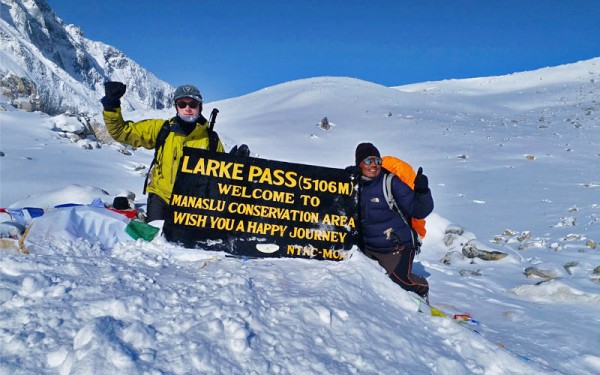
Altitude sickness, medically known as Acute Mountain Sickness (AMS), happens when your body can't adjust quickly enough to reduced oxygen levels at high elevation. On the Manaslu Circuit Trek, the risk is significant because the trail gains altitude rapidly over roughly 10–14 days, culminating in the Larke La Pass crossing at 5,106m. Villages like Samagaon (3,530m) and Samdo (3,860m) sit well above the 2,500m threshold where AMS symptoms typically begin to appear, so nearly every trekker on this route needs to acclimatize properly.
2. At what altitude does altitude sickness usually start on the Manaslu Circuit?
Most trekkers start feeling early symptoms somewhere between 3,000m and 3,500m, which on the Manaslu Circuit corresponds to the Namrung to Samagaon section. The danger zone intensifies from Samdo (3,860m) through Dharamsala/Larke Phedi (4,460m) and the Larke La Pass itself (5,106m). This is why most well-designed Manaslu itineraries build in acclimatization days around Samagaon before pushing higher.
3. What are the early symptoms of altitude sickness to watch for?
Common early warning signs of AMS on the Manaslu Circuit include:
- Persistent headache that doesn't go away with rest
- Nausea or loss of appetite
- Dizziness or lightheadedness
- Fatigue beyond normal trekking tiredness
- Difficulty sleeping
- Shortness of breath during mild exertion
If these symptoms appear, they should never be ignored, especially in remote sections of the trail like Samdo or Dharamsala, where medical help is hours away.
4. What are the signs of severe altitude sickness (HAPE/HACE) on this trek?
Severe altitude illness can develop into High Altitude Pulmonary Edema (HAPE) or High Altitude Cerebral Edema (HACE), both of which are medical emergencies. Warning signs include:
- Extreme breathlessness even at rest
- A persistent cough, sometimes with pink or frothy fluid
- Confusion, loss of coordination, or difficulty walking in a straight line
- Severe headache that doesn't respond to medication
- Loss of consciousness
If anyone on the trek shows these symptoms near Samdo, Dharamsala, or the Larke La approach, the only safe response is immediate descent and emergency evacuation.
5. How can I prevent altitude sickness on the Manaslu Circuit Trek?
The most effective prevention strategies are:
- Choose a realistic itinerary — at least 12–14 days, with built-in acclimatization days at Samagaon and, ideally, Samdo
- Follow "climb high, sleep low" — take short acclimatization hikes above your sleeping altitude, then descend to rest
- Stay well hydrated — 3–4 liters of water daily helps your body adjust
- Avoid alcohol, smoking, and sleeping pills, which can suppress breathing and worsen symptoms
- Eat enough carbohydrates, even if appetite is low
- Walk at a slow, steady pace rather than rushing between villages
- Consider preventive medication like Diamox (acetazolamide), after consulting a doctor before your trip
6. Do I need Diamox (acetazolamide) for the Manaslu Circuit Trek?
Many trekkers choose to take Diamox as a preventive measure, usually starting a day before gaining significant altitude and continuing through the Larke La crossing. It helps the body acclimatize faster by increasing breathing rate. However, it's not a substitute for proper acclimatization days, and it can have side effects (tingling fingers, increased urination). Always consult a doctor before your trip to check dosage and whether it's suitable for you, since some travel clinics tailor this specifically for Manaslu's profile.
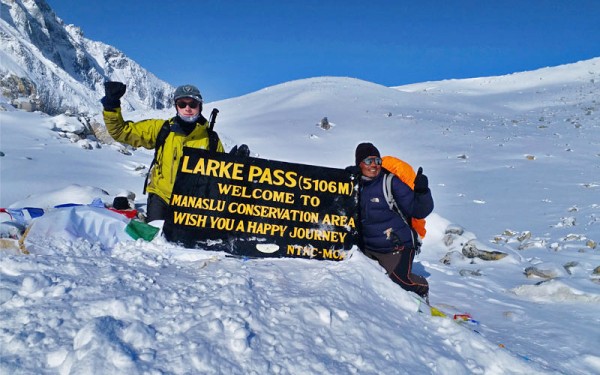
7. Is the Larke La Pass (5,106m) dangerous for altitude sickness?
Yes — the Larke La Pass is the highest and most demanding point of the entire trek, and it's crossed in a single long day, usually from Dharamsala (4,460m) to Bimthang (3,720m). Because there's no village directly on the pass, trekkers can't simply stop and rest if AMS symptoms appear at altitude. This is why proper acclimatization before reaching Dharamsala, an early morning start, and monitoring symptoms in the days leading up to the pass are critical for a safe crossing.
8. What should I do if I or a group member shows symptoms of altitude sickness?
- Stop ascending immediately — do not continue to a higher elevation
- Rest and monitor for a few hours if symptoms are mild
- Descend without delay if symptoms worsen or don't improve
- Never continue upward with any AMS symptoms present, even mild ones
- Use supplemental oxygen or emergency evacuation if HAPE/HACE symptoms appear
- Inform your guide immediately — Manaslu is a restricted area requiring a licensed guide, who is trained to make this call
9. Do I need travel insurance with helicopter evacuation coverage for Manaslu?
Yes, this is considered essential, not optional. Because Manaslu Circuit is a remote, restricted region with limited road access, helicopter evacuation is often the only fast way to get a trekker with severe AMS, HAPE, or HACE to a hospital in Kathmandu. Make sure your travel insurance specifically covers high-altitude trekking up to at least 6,000m and includes helicopter rescue and medical evacuation, not just general travel insurance.
10. How many acclimatization days should I plan on the Manaslu Circuit itinerary to avoid altitude sickness?
Most safety-focused itineraries include at least 2 dedicated acclimatization days:
- One at Samagaon (3,530m), often used for a side hike to Manaslu Base Camp or Pungyen Gompa
- One optional additional day around Samdo (3,860m) for trekkers who want extra safety margin before Dharamsala and the Larke La Pass
Rushing the itinerary to save a few days is one of the leading causes of altitude sickness cases and forced evacuations on this route, so a 14–16 day itinerary is generally safer than a compressed 10–12 day version.
Quick Reference Table
| Altitude | Location | AMS Risk Level |
|---|---|---|
| 700m–2,500m | Soti Khola to Jagat | Low |
| 2,500m–3,500m | Deng to Namrung | Moderate |
| 3,530m–3,860m | Samagaon to Samdo | High |
| 4,460m–5,106m | Dharamsala to Larke La Pass | Very High |
Final Thoughts
Altitude sickness is the single biggest risk factor on the Manaslu Circuit Trek — but it's also one of the most preventable, as long as you ascend gradually, stay hydrated, and listen to your body. With the right preparation and an experienced support team, you can safely cross Larkya La Pass and experience one of the Himalayas' most rewarding treks.
📩 Plan your safe and unforgettable Manaslu adventure with Mountain Eco Treks & Expedition:
Recent From Blog

19th Apr, 2019


23rd Dec, 2018

11th Jan, 2024

14th Jan, 2024

29th Jan, 2025

11th Feb, 2025

18th Feb, 2025

25th Feb, 2025

5th Apr, 2025
23rd Dec, 2025
9th May, 2026
12th Jul, 2026

13th Aug, 2026
13th Aug, 2026
13th Aug, 2026

16th Aug, 2026
20th Aug, 2026


11th Sep, 2026
24th Sep, 2026
25th Sep, 2026
5th Oct, 2026
6th Oct, 2026